Domaine de Clairaux

Côte de Clairaux · Burgundy · anno 1715

Domaine de Clairaux

On the hill the berries turn, one by one, from green to shadow.

The berries soften and blush. We drop fruit, thin leaves around each cluster, and wait for the hill to decide the vintage.

Turn the year — the estate follows

Cahier i

The year is the method

Nothing at Clairaux is decided in the cellar. The wine is decided on the hill, week by week, in the four seasons the dial above turns through. We farm 9.4 hectares by hand, without herbicide, on slopes too steep for machines and too old for shortcuts.

Each season has its own verbs. In spring we prune late and pray against frost. In summer we thin. In autumn we pick — every berry by hand, usually in fifteen days. In winter the vines sleep and the wine is racked once, quietly, in the cold.

Now on the estate: leaf-thinning in Les Argillières, and the first ruby berries in the Clos.

DébourrementBuds break on last year's wood. Late pruning, candles ready against April frost. march — may
VéraisonBerries turn from green to ruby. Green harvest; leaves thinned around each cluster. july — august
VendangesPicking by hand, dawn starts, forty friends and family. The whole year in fifteen days. september — october
DormanceThe vines sleep under chalk and frost. One quiet racking; barrels topped by candlelight. november — february
Cahier ii

Millésime 2024 — the allocation

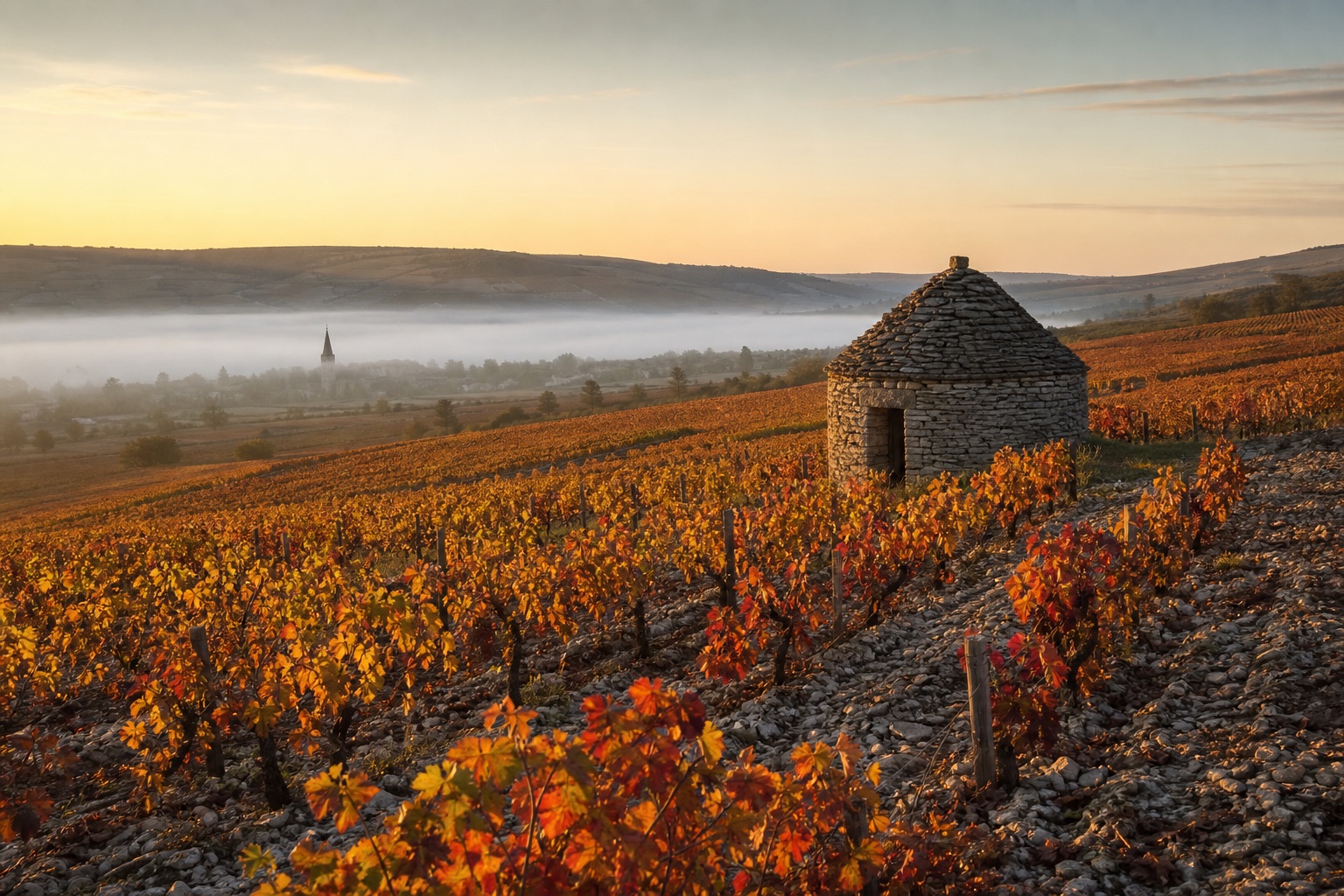
The Clairaux hillside at dawn during harvest, vines turned amber, mist in the valley and the village spire below
The upper slope above the clos · dawn, first day of picking

A frost year that forgave us. Small crop, fine bones, the kind of perfume the Côte gives once a decade.

The night of 22 April we lit candles in the Clos and lost only the low rows. What survived ripened slowly through a cool August and came in clean on 21 September. Yields are down a third — so the 2024s are allocated, as every vintage since 1998, in the order requests arrive.

21 Septpicking began
−31%yield vs. 2023
12.8°natural alcohol
14,900bottles in total
CLOS1715

Clairaux premier cru · monopole

Clos de la Chapelle

Pinot noir · walled clos of 1715

The founding parcel behind the chapel, ours alone for eleven generations. Whole-cluster, aged 18 months in one new barrel of four.

élevage
18 mo, 25% new oak
soil
marl over Comblanchien
bottles
1,860

€68 / bottle

Request allocation

Clairaux premier cru

Les Argillières

Pinot noir · mid-slope clays

The deepest clay seam on the hill gives the darkest wine we make — blackberry, iron, a long mineral close.

élevage
16 mo, 20% new oak
soil
red clay, limestone scree
bottles
3,240

€54 / bottle

Request allocation

Clairaux villages

Sous le Bois

Chardonnay · below the oak wood

Our only white: a cold, late parcel under the treeline. Pressed whole, no bâtonnage — chalk, green apple, gunflint.

élevage
12 mo, used barrels
soil
white marl, thin topsoil
bottles
4,050

€38 / bottle

Request allocation

Clairaux villages

Vieilles Vignes

Pinot noir · planted 1962

Grandfather Marcel's plantings, gnarled and low-yielding. The wine we drink at our own table, and the first to sell out.

élevage
14 mo, used barrels
soil
brown marl, pebbled
bottles
5,750

€42 / bottle

Request allocation

Allocations open 1 September and close when the cellar is empty — most years, before All Saints'. Requests are answered by Camille, in the order they arrive.

Cahier iii

What the roots read

The hill of Clairaux is a broken stair of Jurassic sea-floor, tilted east. Forty centimetres of brown earth, then marl, then the pale Comblanchien limestone that built the cathedrals of Burgundy — and the cellar under our house.

Old vines send roots four metres down through the fissures. That is where the wine's salinity comes from: rain that fell in winter, filtered through 160 million years of compressed seashells, drawn back up in August.

280 melevation, mid-slope
9.4 hain 14 parcels
eastmorning-sun aspect
4 mrooting depth
0 m — surface brown topsoil thin, stony, hand-hoed −0.4 m calcareous marl clay + chalk, holds the rain −1.6 m Comblanchien limestone fissured; roots follow water −4 m and below
Cahier iv

Eleven generations, one ledger

The domaine has never been bought or sold. It has only been handed on — with the vines, the cellar key, and a ledger that opens in 1715. Each line below is a life spent on the same hill.

iÉtienne Clairauxwalled the clos; planted the chapel parcel1715–1743
iiJeandug the second cellar by hand1743–1781
iiiClaudekept the vines through the Revolution1781–1812
ivAugustebought Les Argillières at auction1812–1856
vHenrifirst to bottle under the family name1856–1890
viLouisreplanted the hill after phylloxera1890–1921
viiMarcelplanted the Vieilles Vignes, 19621921–1947*
viiiBernardended chemical weeding, 19711947–1979
ixMichelreturned the farming fully to horse and hoe1979–2003
xAnnefirst woman to hold the key; began allocation2003–2021
xiJules & Camillethe current hands — vines and cellar, cellar and vines2021–

* Marcel took over at 26 when his father died in the vines; he signed the ledger for both of them.

Cahier v

Come and taste

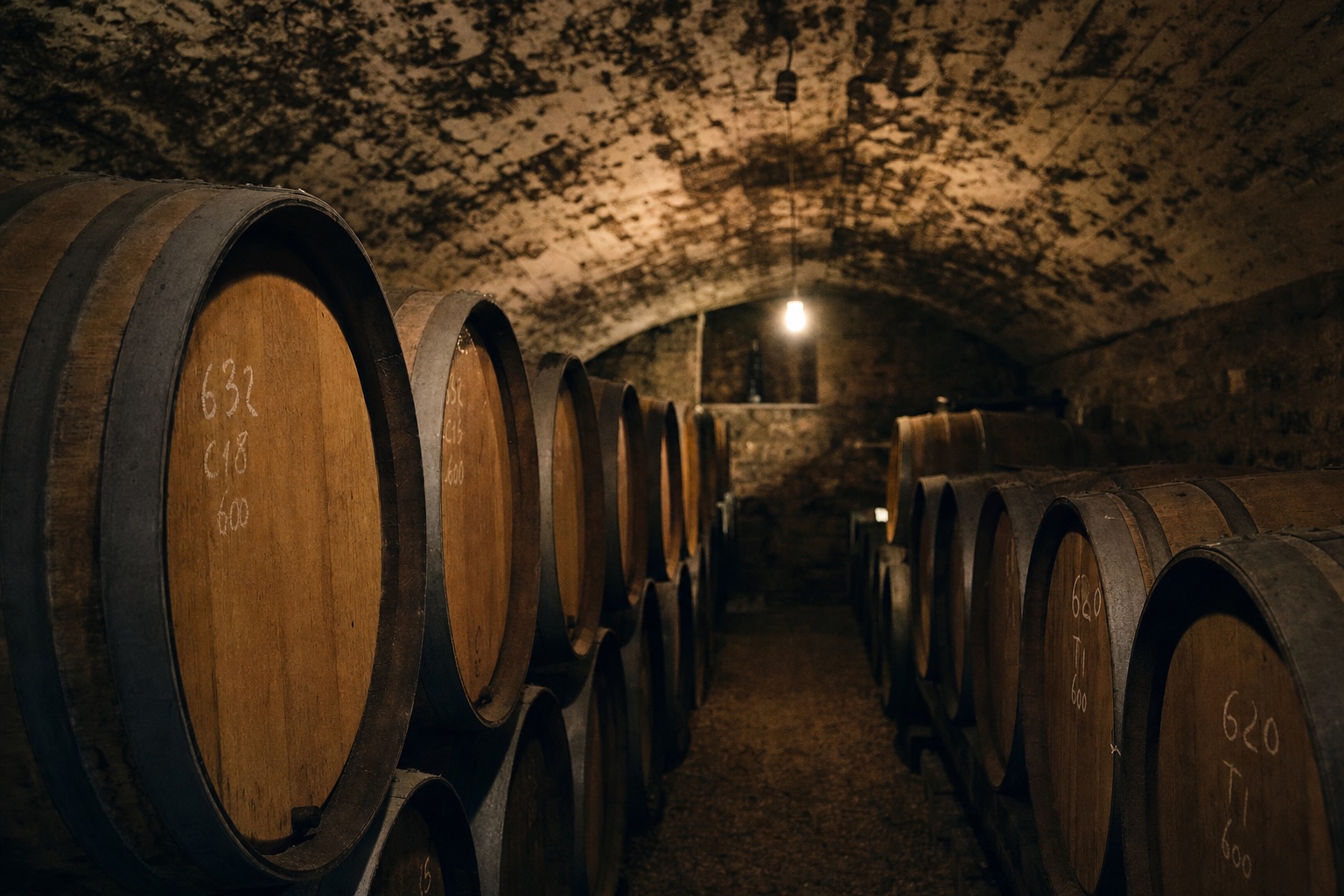
The vaulted limestone cellar of 1743, oak barrels chalk-marked with lot numbers under a single bulb

In the 1743 cellar · one hour

The cellar tasting

Five wines drawn from barrel and bottle, poured by Jules or Camille under the vaults their ancestor dug. You will taste the 2024s before they are born.

€25 / person thu — sat · 10h & 15h
Book a tasting
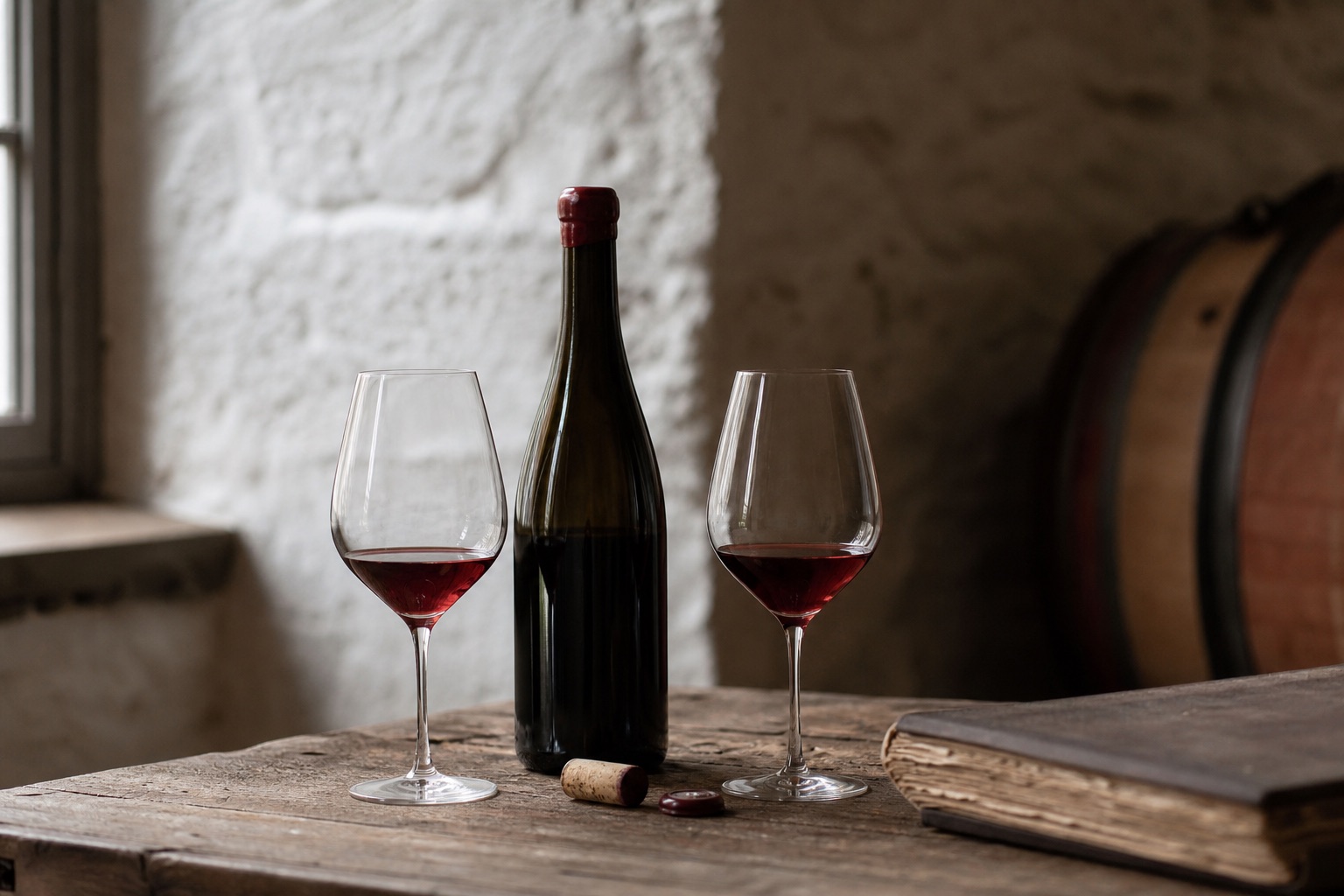
Two glasses of pinot noir, a wax-topped bottle and the estate ledger on the old oak table by the window

At the family table · three hours

The vigneron's table

Walk the clos, then sit down to a Burgundian lunch with the family: six wines back to 2015, œufs en meurette, and whatever the season says.

€85 / person fridays · 11h · eight seats
Book the table

During vendanges the cellar closes to visitors — but if you write kindly, you may be handed secateurs instead.